We use cookies to make your experience better. To comply with the new e-Privacy directive, we need to ask for your consent to set the cookies. Learn more.

Will better bearings and pistons prevent bearing and ring-land failures?
September 24, 2021
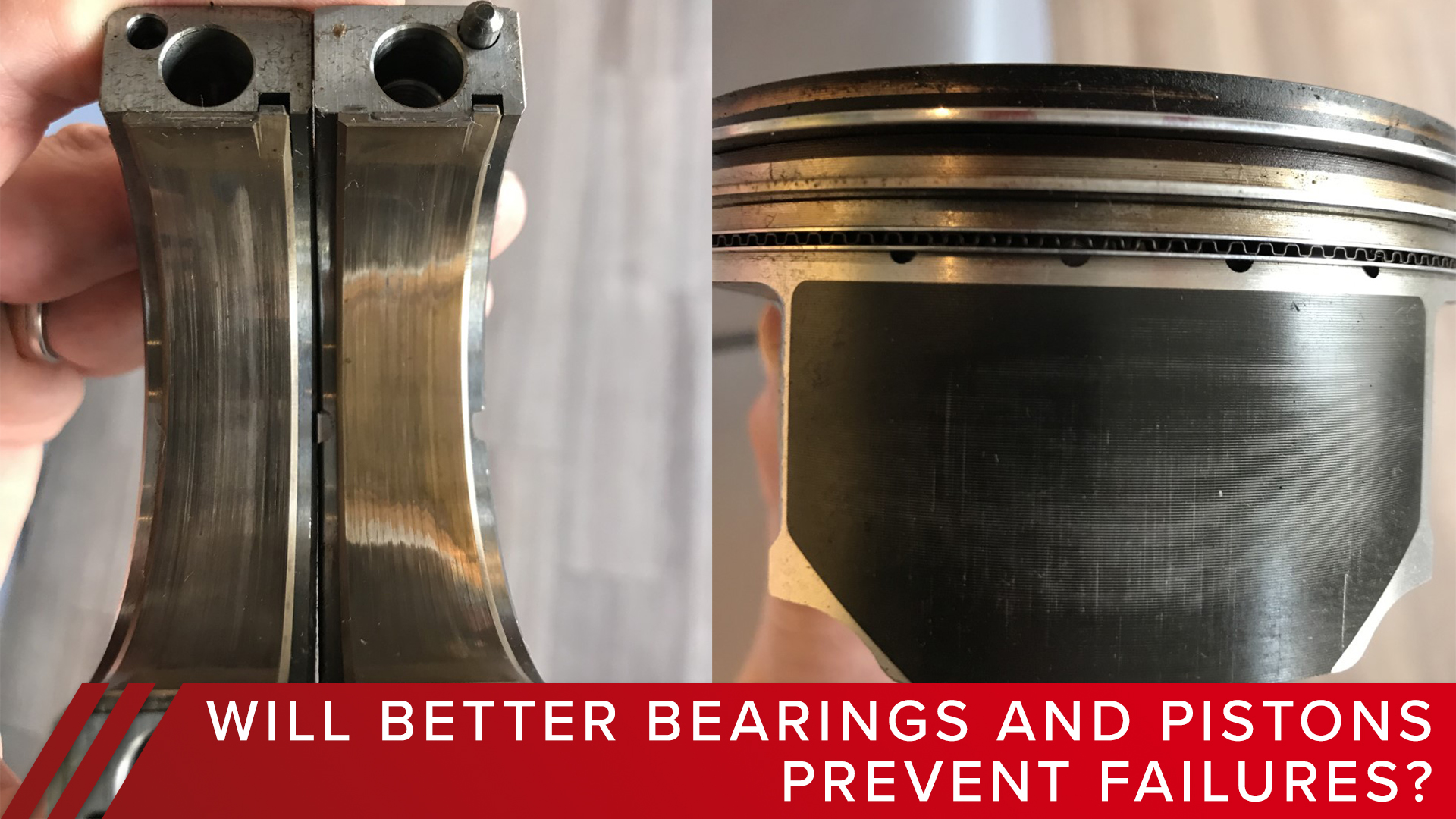
If you have a WRX or STI and you are modifying it, or if you are trying to keep it running reliably for as long as possible, there are two types of failures that you have probably set out to avoid: a bearing failure, or a ring-land failure.
And if you are in the unfortunate position of having had one of these types of engine failures, most likely your goal is to build your new engine in a way to prevent either of these failures if at all possible. It is very common to approach an engine build with a set of better/stronger forged pistons at the top of the list right next to the best possible set of bearings that you can find.
But will forged pistons or better aftermarket bearings actually prevent these types of failure?
Let's start with the bearings.
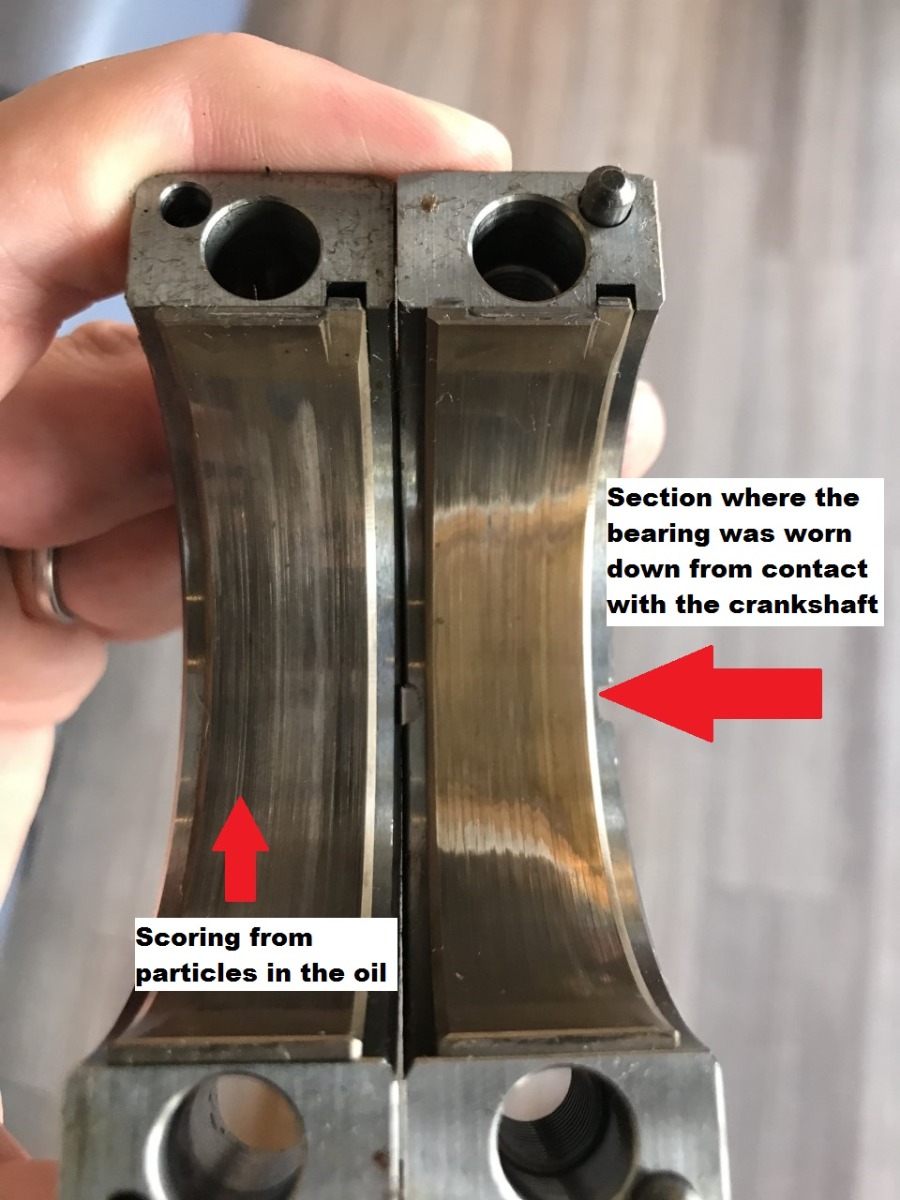
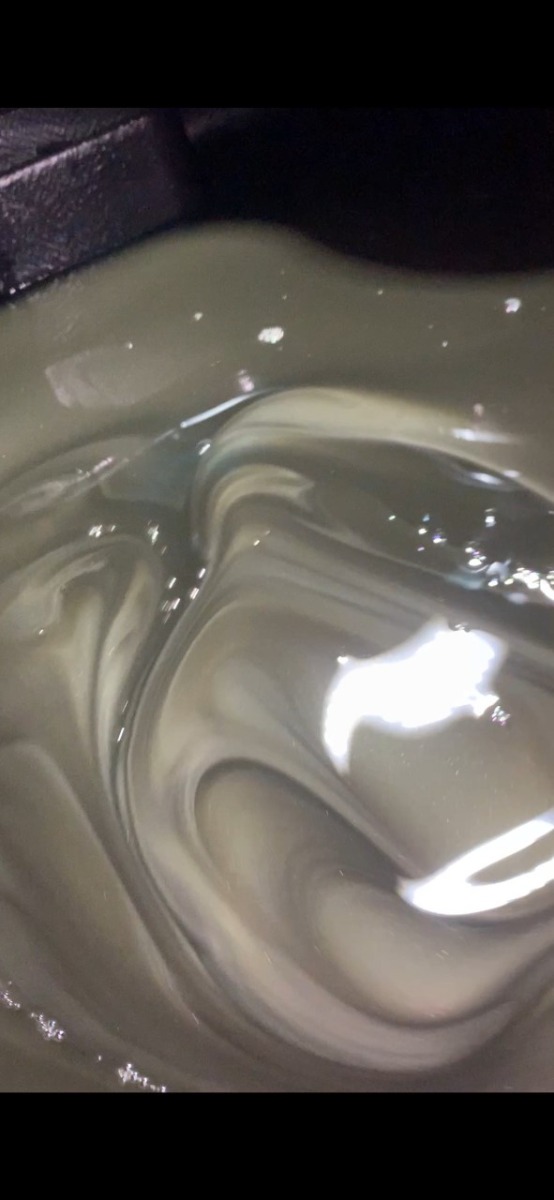
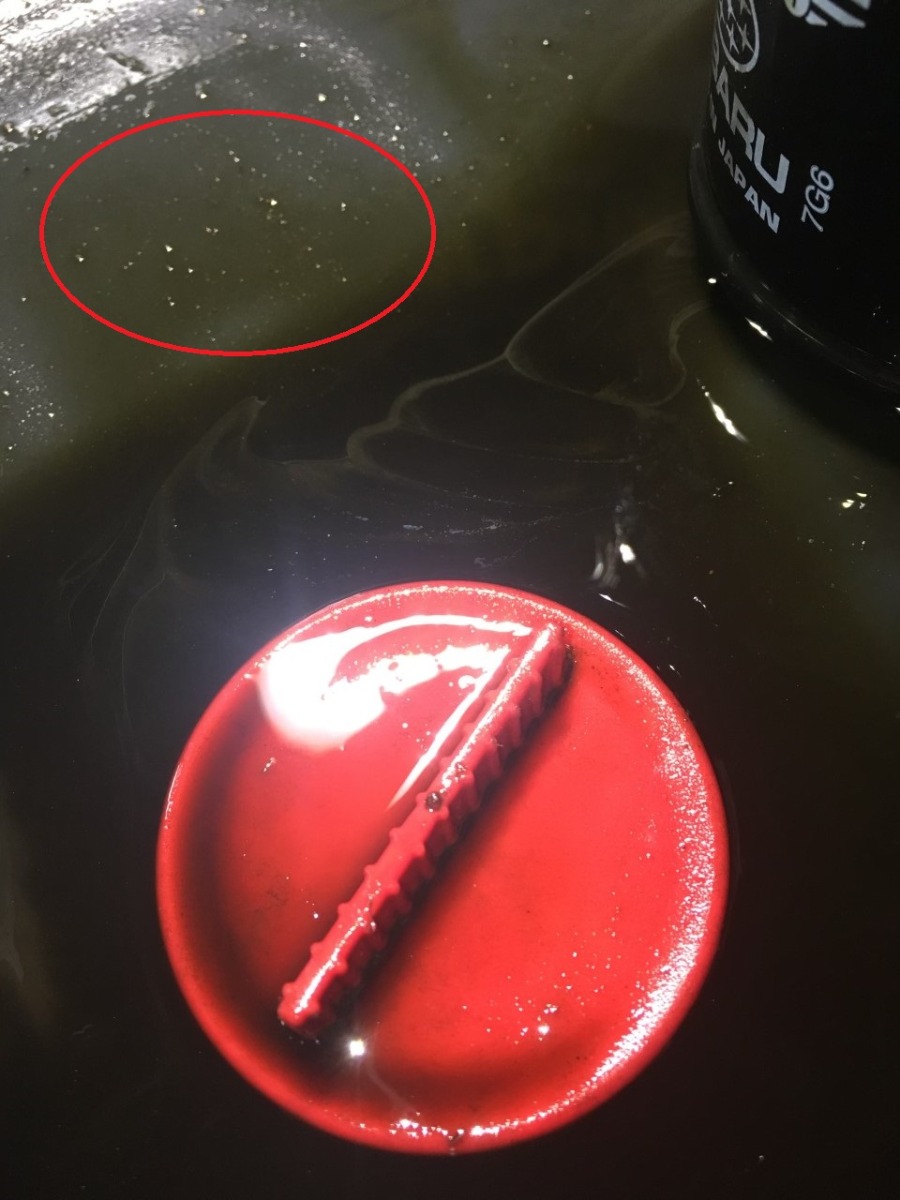
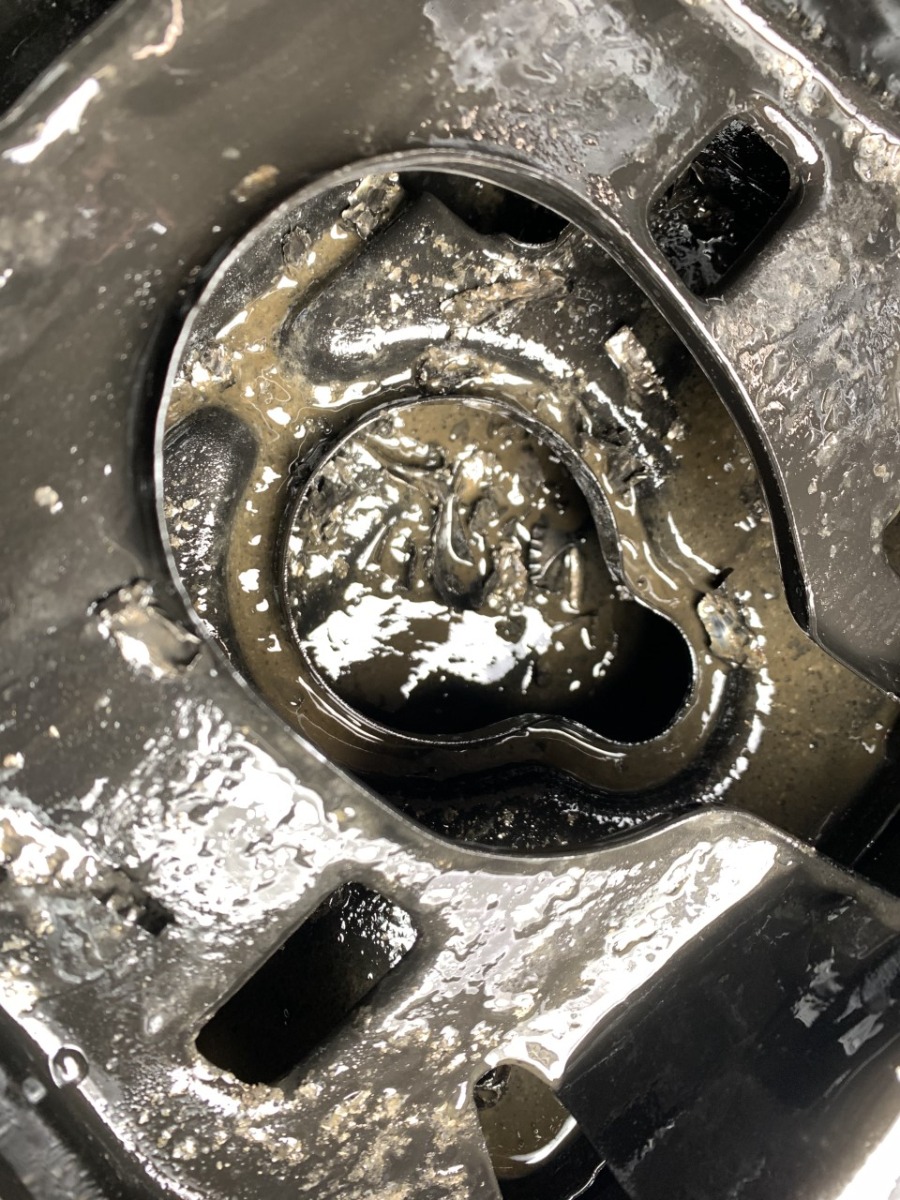
When a bearing fails, you will typically hear a knocking noise from the engine which usually means that one of the rods and pistons is moving around a good deal more than it should (aka rod knock which is the most common type of bearing failure), and there will also usually be very fine (or not so fine if the failure is more spectacular) particles of bearing material, usually brass in color, sparkling in your oil.
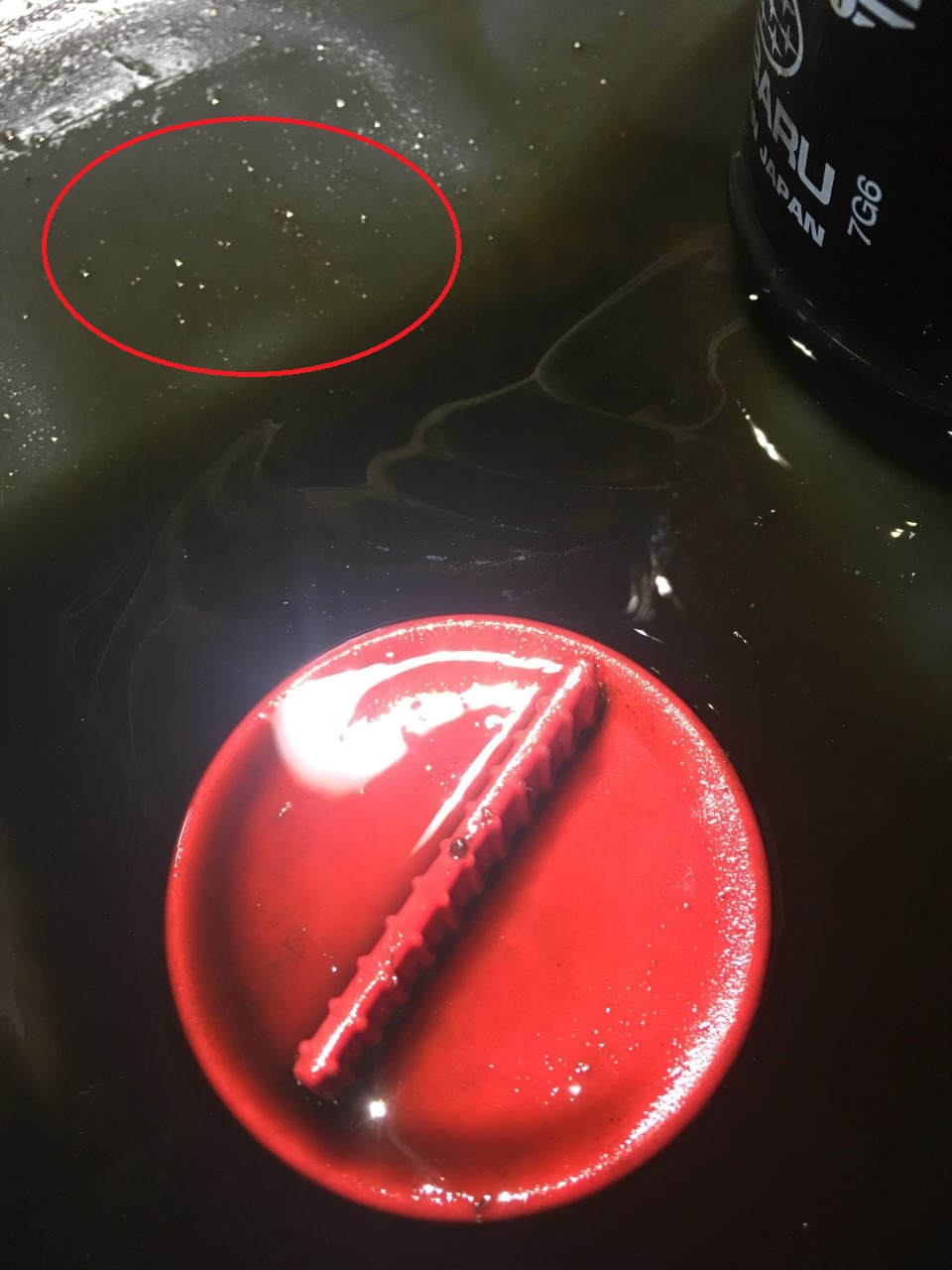
Since this type of failure is called a "bearing failure" and there are so many ways to see that the bearing was damaged or destroyed as a part of that failure occurring, it is very easy to assume that the issue at the heart of the failure was the bearing itself.
But it turns out that is not the case. In fact, in the case of a bearing failure, the bearing usually had nothing to do with the failure, and it is actually just the indicator that another system in the engine has failed.
Your engine has an oil pump, and that oil pumps job is to send oil into the engine under fairly high pressure. The first destination that pressurized oil heads to are the main bearings and rod bearings on the crank. The primary job that the pressurized oil has is to create a layer or cushion of oil which keeps the crank and rods from ever having any physical contact with the bearings during normal operation. The bearings main function is to create a precise space or gap between the rotating crank, and the case or rods that the crank is sitting in so that the oil cushion is consistent across all of the bearings. This consistent space will have a factory specification (which would need to be either measured to be confirmed, or created with the correct thickness of bearing), and once those tolerances are correct, that plays a large part in holding consistent oiling conditions for all of the rotating parts of the engine.
For this reason, proper oil pressure is critical to keep your engine running properly, and this becomes even more true as you start to make more power, or if you are running your car on track where oil temperature or oil sloshing in the pan can cause your oil pressure to become inconsistent. The reason that this insufficient or inconsistent oil pressure can cause an issue is because it can cause the oil cushion that the crankshaft and rods ride on to shrink, and at a worst case scenario, this can cause physical contact between the crankshaft and the bearings themselves. That contact can very quickly create ware of the bearing surface, and that wear can open up the tolerance between that location on the bearing and the crankshaft. This wear is what can commonly cause the glitter-like metal flakes in your oil. As the crankshaft wears off small pieces of the bearing, this opens up the tolerance between the bearing and the crank which will also reduce the amount of pressure in the oil cushion there.
As the pressure in one bearing drops, it is possible that the inconsistent oil pressure to cause the crankshaft to start contacting other bearings in the engine as well. That bearing material is also abrasive to other bearings that it may come into contact with as it goes further down the oil's path before it returns to the pan which can also cause a breakdown of the oiling system once a bearing failure has started to occur. In short, once a bearing failure starts, it is usually degenerates fairly quickly to the point where the engine is not operable any longer.
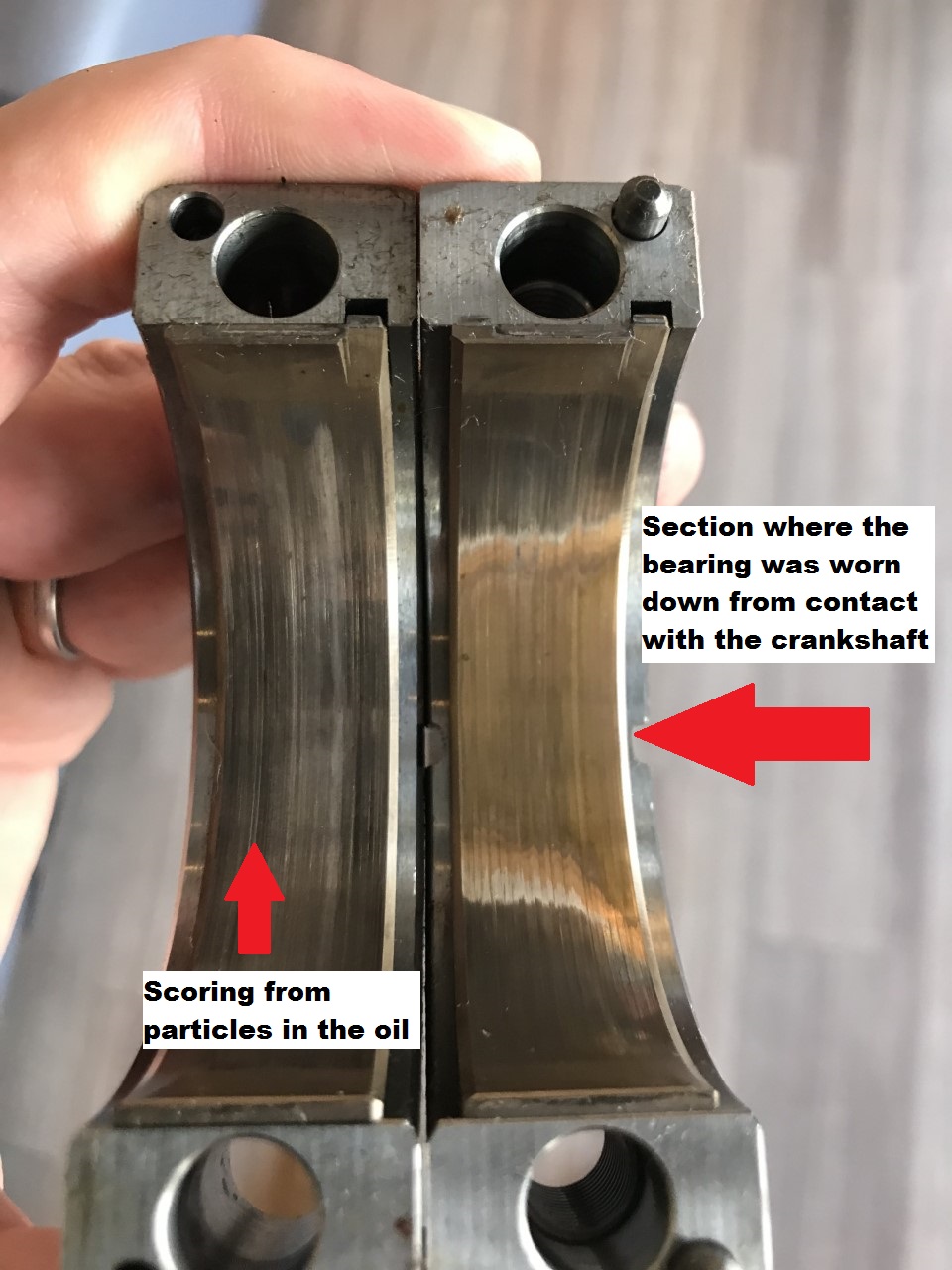
The key point that I want to make here is that a bearing failure generally indicates that there was a critical failure of the oiling system. Even the best possible bearing would not keep an engine running for long if the oiling system is not function properly, and that it is why it is very important to inspect and diagnose the entire oiling system if you have had a bearing failure.
The most common oiling issues that can lead to bearing failure are:
- low oil pressure at high rpm or wide open throttle
- running the engine low on oil which leads to oil starvation
- overheating the oil which causes viscosity to break down
- inconsistent oil pressure from oil sloshing in the pan under hard cornering or acceleration
- an issue with the oil pump which results in it not being able to provide proper oil pressure to the engine
I have written another blog post about what you need to know if you have had a bearing failure, and that would be a good write-up to take a look at in addition to this article.
We also have a video that goes into detail about oil pumps, oil pressure, and the various Subaru oil pumps that you may want to look at as well.
It turns out that a ring-lands are similar in that the name-sake of the failure are the indicator, and not usually the cause.
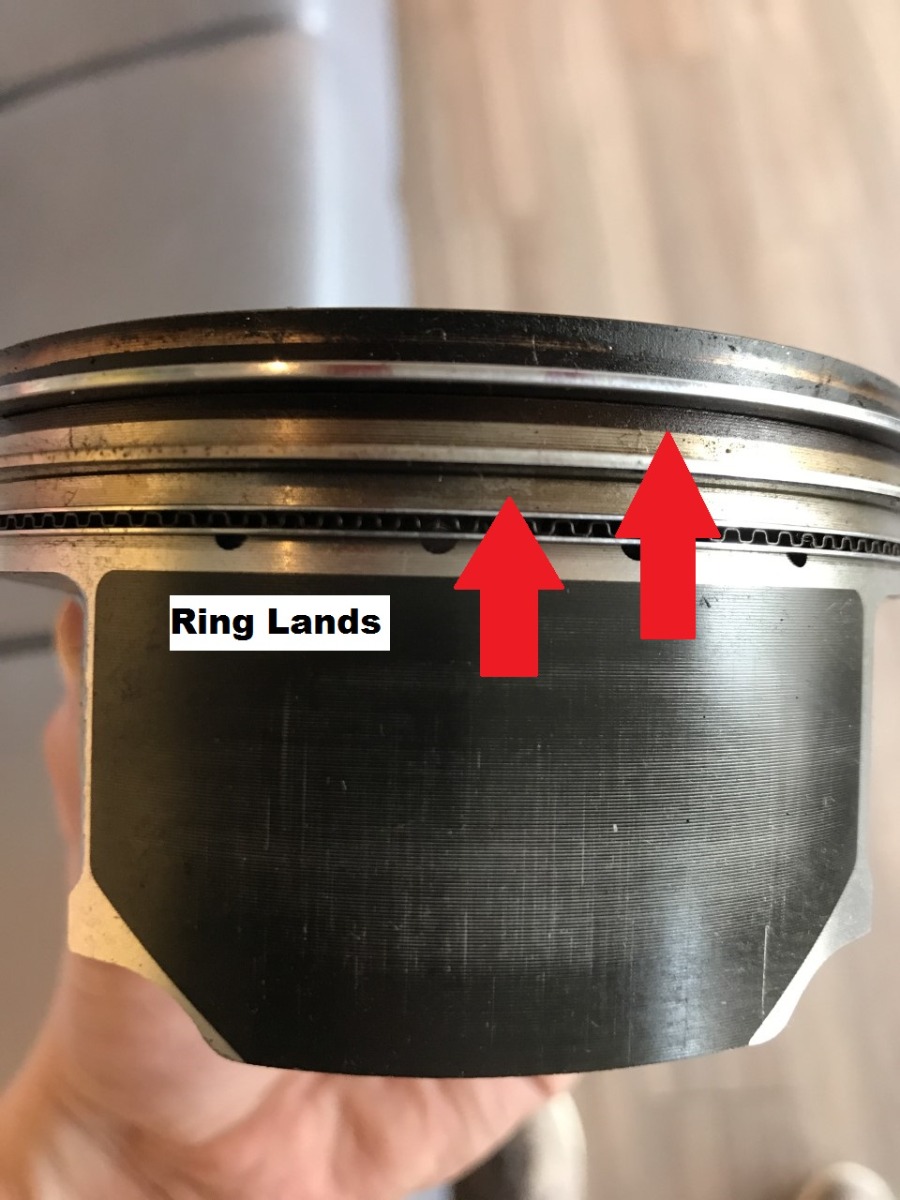
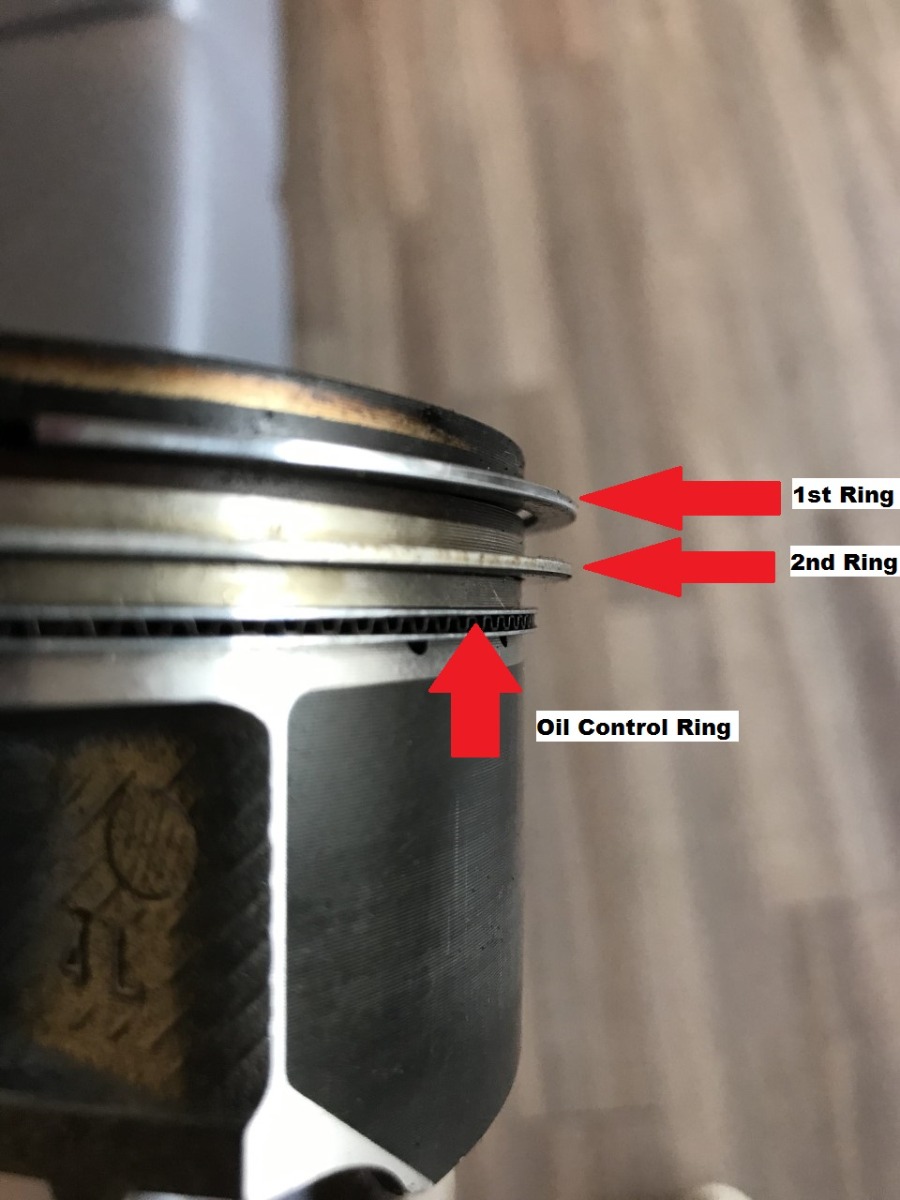
The ring-lands on a piston are the pieces of the piston in between the channels that are machined to hold the rings. Most pistons have 3 rings (1st, 2nd, and oil control), so they have 2 ring lands. Though the material on the piston above the 1st ring can sometimes be referred to as a ring land as well.
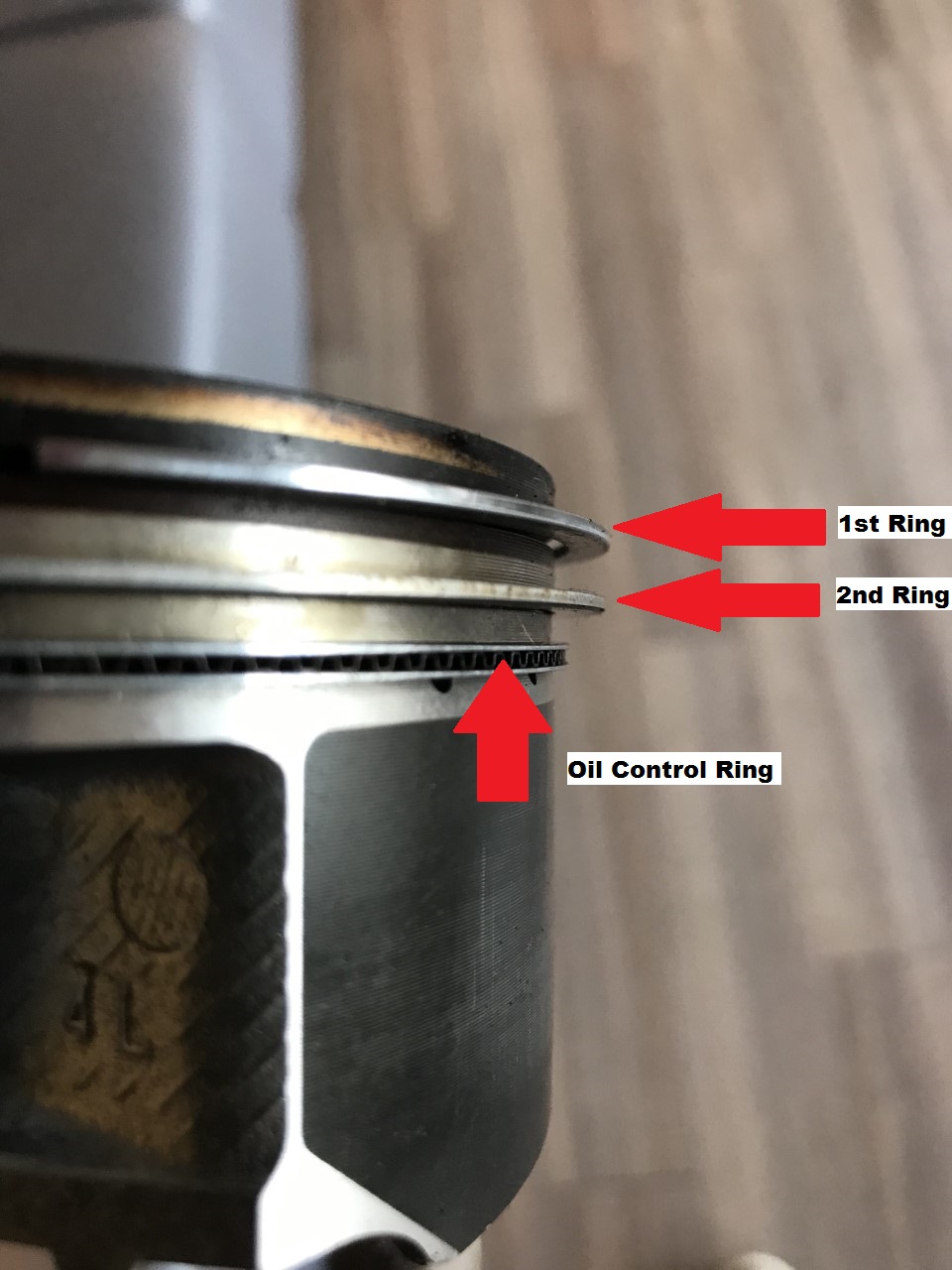
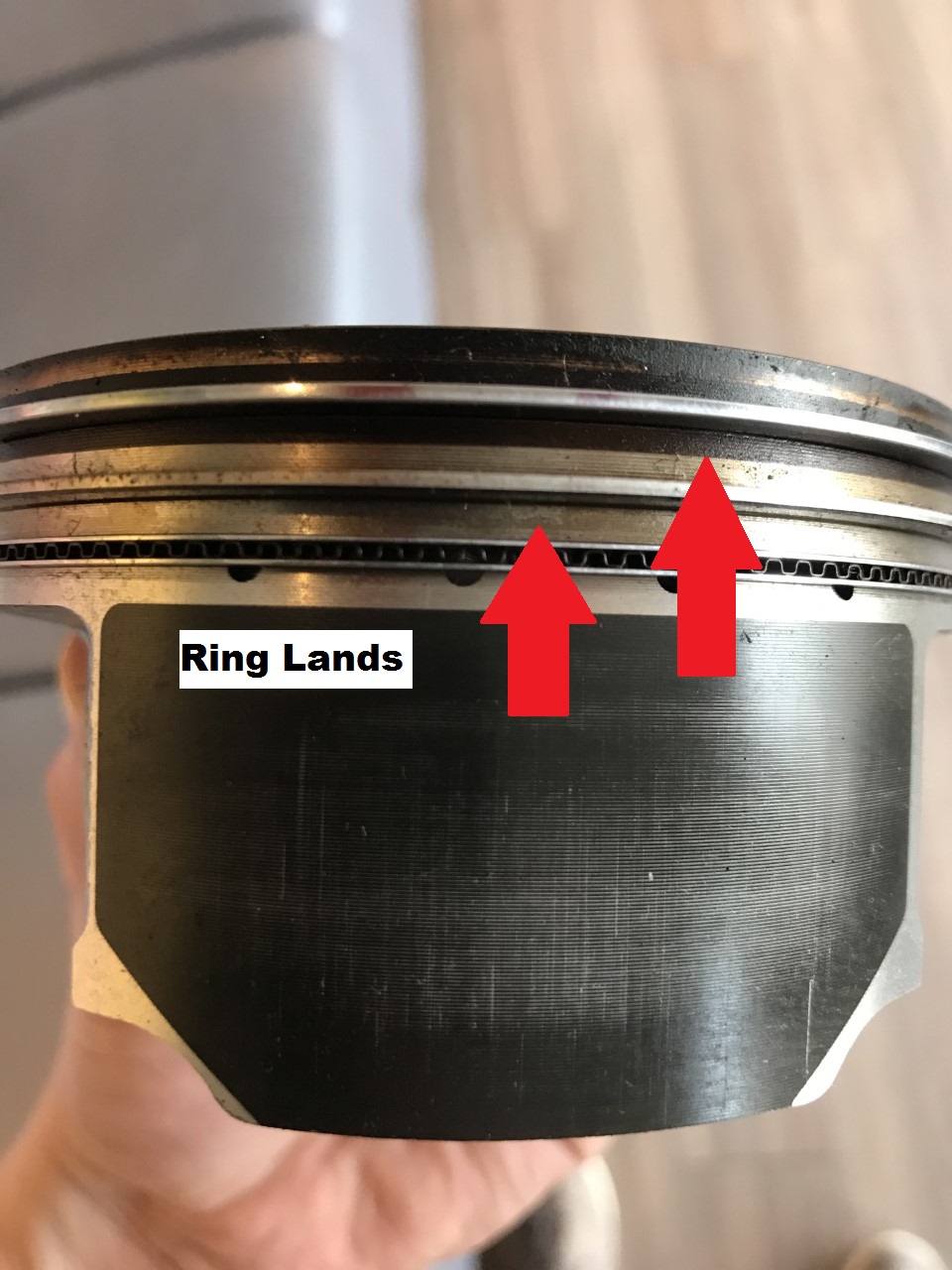
In the case of a Subaru piston, the most common location for a ring-land failure is the ring-land between the 1st and 2nd ring on the piston.
As with the bearings, because this is a part of the piston that can crack when it fails, the assumption is that using a forged piston that is stronger will prevent this kind of failure, and will therefore make the engine more reliable. Forged pistons are made of stronger material that can hold more power more reliably but they also do come with some trade-off's of their own. Specifically they generally have a shorter re-build/replacement life than a cast piston.
For more information on that, you may want to take a look at our video talking about whether or not you really want to build your engine.
The most important thing to understand about a ring-land failure is that the piston will not crack on its own during normal operation. The ring-land typically cracks because of excessive cylinder pressure resulting from detonation (or pre-ignition in a rare occurrence), or from high boost/ higher power than the piston can hold. And of those two possible causes, detonation is by far the most common cause.
So what is detonation, and why would it be able to break the ring-lands?
In a traditional port injection internal combustion engine, the fuel is sprayed into the intake manifold behind the intake valves. When the intake valve opens, the air and fuel mixture enters the cylinder as the piston goes down on its intake stroke. At the bottom of that stroke, the intake valve closes and the piston starts to move upwards on its compression stroke. As this happens, the air and fuel mixture starts to be compressed, and that means that it is also being heated up.
Under normal circumstances, the air/fuel mixture will not start to burn/combust until the spark plug ignites it. When the spark plug ignites the fuel, it starts a kernel of flame at the center of the cylinder, which then moves outward in a flame front. The key detail here is that the flame front continues to burn the fuel as it moves, and that combustion continues as the piston starts to move down on the power stroke. This takes time, and so the expansion of the gasses happens as the piston moves down the cylinder which distributes the increase in cylinder pressure as the piston moves down through its power stroke.
But under abnormal circumstances, it is possible that the air/fuel mixture will be heated up to the point where the fuel will reach its temperature of combustion causing it to ignite instantaneously, and that is detonation. The reason that detonation is so destructive is because all of the fuel is burned instantly which causes an instantaneous spike in cylinder pressure. And because this spike of pressure is the result of burning all of the fuel at once the spike in cylinder pressure that results will typically be significantly higher than what you see with normal combustion (possibly by an order of magnitude), and it is this massive amount of pressure that can break the piston or ring-land.
As a side note, if detonation sounds a lot like how a diesel engine works (igniting air and fuel because of temperature and pressure, not with the introduction of a spark), you are exactly correct. The specific details about the differences between an internal combustion engine and a diesel engine are beyond the scope of this topic, but suffice it to say that since a diesel engine runs on detonation, all of the engine components are designed to stand up to that level of stress where a gasoline engine is not.
Understanding how much pressure or force is created by detonation, it is not hard to see how that force can cause damage to a piston.
Here are some common issues that can lead to detonation
Here are some common issues that can lead to detonation
- bad gas that has a lower than advertised octane rating
- a vacuum leak that leads to a lean running condition
- oil vapor/blow-by that gets into the intake air/fuel charge
- a lean running condition, especially at high load or wide open throttle
The common thread between these possible causes of detonation is that they either lower the effective octane of the fuel making it more prone to detonation, or an increase in cylinder temperature which makes it more likely that the air/fuel mixture will detonate on the pistons compression stroke.
The key takeaway here is that if you have an issue with your engine that has led to detonation which has led to a damaged piston, you want to make sure that you find and correct that issue as you re-build your engine because if you don't, there is a good chance that you will run into that issue again.
And no matter how well built your engine is, it can still be damaged by a detonation event.
Overall, the reason I wanted to write this blog was to convey the idea that when you have a failure of any kind, it is almost never enough to just address and replace the part that failed.Focusing on the failed part may get you up and running for a short time, but if you don't follow that failure back to its root cause, it can result in dealing with another failure much sooner than you would want.
Thanks for reading and Stay Tuned!
- Jon Cooley

Share on Facebook

Share on X

Share on Pinterest