We use cookies to make your experience better. To comply with the new e-Privacy directive, we need to ask for your consent to set the cookies. Learn more.

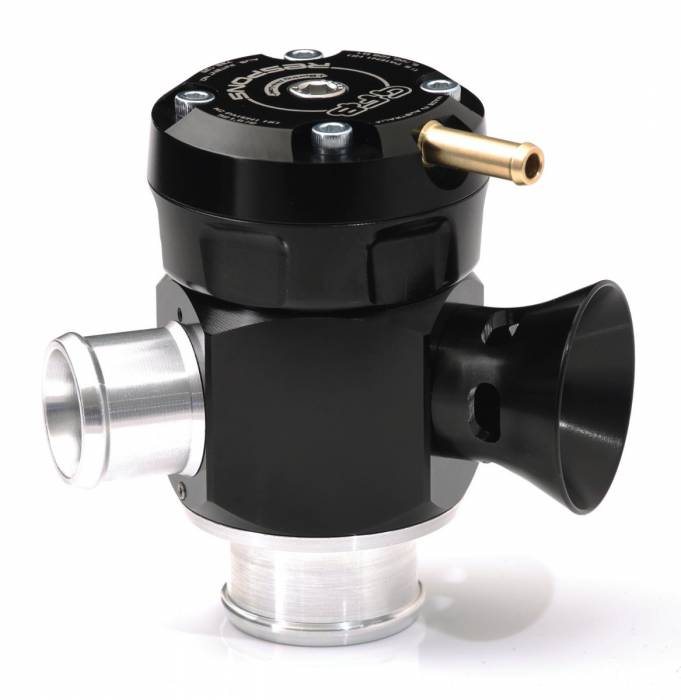
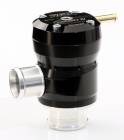
Go Fast Bits TMS Respons Dual Port BOV (15-21 WRX)

SKU
gfbT9007

RESPONS TMS: Smarter than a Dual Port BOV
On the surface, it may look like just another dual-port blow-off valve, but the Respons is actually much more than that. Featuring GFB’s patented venting bias adjustment system, the Respons allows you to precisely control how much air vents from each of the two outlets.
Why is this so important? Two key reasons:
- Adjust how loud the blow-off sound is. Recirculate all of the air for silent factory operation, vent it all to atmosphere for maximum noise, or set it ANYWHERE in between to suit your preference.
- Get a blow-off sound WITHOUT causing stalling, backfiring, or any other BOV-related issues, even on a car with a sensitive airflow meter (MAF).
Hold on, it gets better. The Respons isn’t just a noise-maker. It also;
- Offers better throttle response
- Faster boost recovery on gearshift
- Unlimited boost-holding!
For example, using GFB’s TMS (Turbo Management System) principle, tests show that the Respons can return the engine to peak boost up to 30% faster than a factory diverter valve when shifting gears (more information below)
GFB is no stranger to dual port BOVs. In fact, GFB pioneered the design in 1999, following up with the patented venting bias adjustment system in 2001.
This technology is not just a gimmick – it’s the key to getting a blow-off sound without the issues (unlike other valves), and is exclusive to GFB.
We’ve all heard the stories and seen people get shot down on forums when they ask about BOVs. Common responses are “your car will stall,backfire, run rich, go slower, or rip a hole in the space-time continuum that will bring about the end of the universe”. Certainly, if the BOV is not designed or adjusted correctly, at least some of these may be true.
When you vent a BOV to atmosphere, you’re letting air out of the system that has been measured by the airflow meter, so the ECU will continue to inject fuel for that missing air, hence the issues with over-fuelling that can occur.
However, by controlling HOW MUCH the valve vents, WHEN it vents, and for HOW LONG, the Respons can be configured to vent a portion of air to atmosphere at a time and of a volume that least affects the fuelling to the point where there are no negative side-effects.
Since our competitors do not have a means for adjusting the amount of air that is vented to atmosphere, they are unable to achieve the same success that a Respons does on even the most sensitive engines.